2026 Best Multifunctional Furniture What Are the Advantages?

Time:2026-10-19 Author:Sienna
0%

In 2026, multifunctional furniture is becoming a practical choice for smaller homes, flexible offices, and changing family needs. A storage bed can hide seasonal clothing beneath a clean, supportive frame. A lift-top coffee table can become a work surface within seconds. These designs use existing floor space more intelligently.

Many homeowners now ask, “what are the advantages of multifunctional furniture” before making a purchase. The benefits include better space efficiency, improved organization, and greater adaptability. One well-designed unit may replace two or three separate pieces. That can reduce clutter and simplify daily movement. It may also support more responsible consumption by limiting unnecessary replacements.

Real value depends on construction quality, safety, comfort, and ease of use. Hinges should move smoothly. Drawers should not catch. Materials need to suit humidity, weight, and frequent handling. Professional furniture specialists often recommend checking load ratings, warranty terms, dimensions, and maintenance requirements. A compact sofa bed looks useful in a showroom, but its mattress comfort matters after a full night.

Not every multifunctional product performs equally well. Some mechanisms are heavy, noisy, or difficult for older users. A table with too many functions may feel confusing. That matters. Personal experience, independent reviews, and clear manufacturer information can reveal these weaknesses. This guide examines leading multifunctional furniture options for 2026, while recognizing that the best choice depends on room size, lifestyle, budget, and realistic daily habits. Convenience sounds attractive, but durability must prove it.
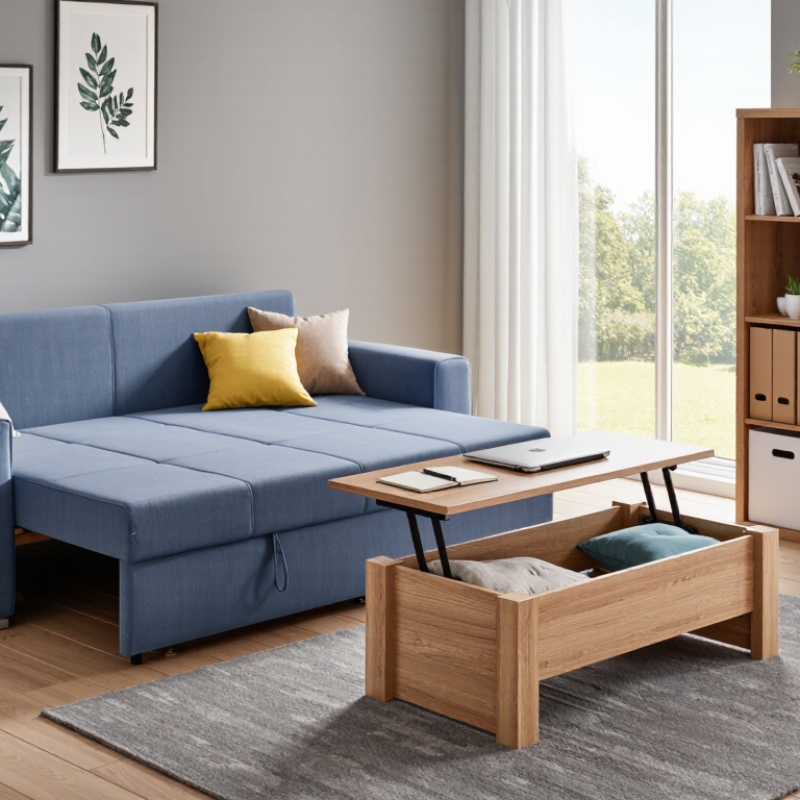
2026 Best Multifunctional Furniture What Are the Advantages?

What Is Multifunctional Furniture?

Multifunctional furniture combines two or more practical uses in one piece. A storage ottoman can provide seating, hide blankets, and serve as a small table. A wall bed can turn a bedroom into a study within minutes. This design approach is especially useful in compact apartments, shared rooms, and flexible home offices. It reduces clutter by giving everyday items a specific place. Good multifunctional furniture should remain stable, comfortable, and easy to operate. Appearance matters, but daily usability matters more.

The best choices respond to real household routines. A dining table with an adjustable surface may support meals, homework, and remote work. A bed with deep drawers can store winter clothing without needing another cabinet. Check measurements carefully, including the space needed when doors or panels open. Examine hinges, weight limits, surface materials, and cleaning requirements. A clever design can still disappoint if its mechanism feels heavy or its storage is difficult to reach. It is not always perfect.

Tips: Measure the room twice before buying. Mark the furniture’s full movement on the floor with removable tape. Test the chair height, drawer access, and folding mechanism in person when possible. Keep frequently used items in the easiest compartments. Leave clear walking space around moving parts. Reconsider complicated features if nobody will use them. Simpler may work better.

How Multifunctional Furniture Works in Modern Spaces

Multifunctional furniture works by giving one object several practical roles. A wall bed can create a bedroom at night and open floor space during the day. A storage bench can provide seating, hide blankets, and define an entryway. In modern spaces, this flexibility helps residents adjust rooms without moving heavy furniture. It is not magic. Good design depends on reliable hinges, balanced weight, and safe locking parts.

From my experience arranging compact rooms, measurements matter more than appearance. A folding table needs enough clearance for chairs and walking paths. Drawers should open fully without blocking doors. Furniture should also match the user’s daily habits. A desk that becomes a dining table sounds useful, but frequent conversion may become irritating.

Durable surfaces, smooth hardware, and clear instructions improve long-term performance. Check weight limits before placing appliances or books inside lift-up compartments.

Multifunctional furniture can also support changing needs. A modular sofa may separate into individual seats for guests. An adjustable desk can serve both work and study. However, combining too many functions can make an item complicated and expensive. Repairs may become difficult when one mechanism fails. Designers and buyers should consider material quality, maintenance access, and accessibility from the beginning. The most successful pieces feel simple during use, even when their internal structure is carefully engineered. Small homes gain space, but they may lose visual calm if every surface stores something.

Key Advantages of Multifunctional Furniture

In 2026, multifunctional furniture is becoming a practical choice for compact homes and flexible workspaces. One piece can serve several daily needs without overcrowding a room. A storage bed may hide winter blankets beneath its frame. A wall-mounted desk can become a dining surface after work. This flexibility saves floor space and reduces unnecessary purchases.

The main advantage is better use of limited areas. Multifunctional furniture can support sleeping, working, dining, and storage in one layout. It may also reduce moving costs when your needs change. In my experience, strong hinges, stable joints, and easy-clean surfaces matter more than stylish appearances. A beautiful sofa bed is disappointing if opening it feels difficult. Comfort can also be compromised, especially when designers focus too much on hidden storage. That trade-off deserves honest attention.

Tips: Measure the room, doorway, and turning space before buying. Test the moving parts several times. Check weight limits and material quality. Leave enough clearance for drawers and folding panels. Choose neutral, durable finishes for frequent use. If possible, sit, lie down, and open every compartment in person. Small details matter.

2026 Best Multifunctional Furniture: What Are the Advantages?

Multifunctional furniture combines two or more practical uses in one item, helping reduce furniture duplication and make better use of limited floor space.

Data basis: The chart counts the distinct primary functions explicitly represented by each furniture type. For example, a sofa bed provides seating and sleeping functions, while a wall bed with a desk provides sleeping, working, and storage functions. This is a functional classification, not a market survey.

Common Types and Practical Applications

2026 Best Multifunctional Furniture: Common Types and Practical Applications

Multifunctional furniture combines two or more uses in one compact structure. Typical examples include sofa beds, storage ottomans, extendable dining tables, folding desks, and wall-mounted beds. A 2024 Fortune Business Insights report identifies space-saving design as a major growth factor in the multifunctional furniture market. This reflects a practical reality: smaller homes need furniture that changes with daily routines.

A sofa bed can support daytime seating and overnight guests without requiring another room. An extendable table may serve two people on weekdays, then seat six during dinner. Storage benches work well near entrances, holding shoes while providing a place to sit. In home offices, folding desks can reduce visual clutter and release floor space after working hours. They are useful, but not perfect.

Material quality and movement safety deserve close attention. The U.S. Consumer Product Safety Commission has repeatedly highlighted furniture tip-over risks, especially in homes with children. Secure anchoring matters for tall cabinets and wall beds. Hinges should move smoothly, and weight limits should be clearly stated. A 2023 report from Grand View Research also links furniture demand with smaller urban living spaces and flexible home layouts. Yet, some products sacrifice comfort for compactness. I have found that a clever mechanism cannot fix a thin mattress or unstable legs. Measure doorways, test the opening action, and leave enough clearance for real movement.

2026 Best Multifunctional Furniture: What Are the Advantages? – Common Types and Practical Applications

General reference values for common multifunctional furniture categories; actual dimensions and capacities vary by design and construction.
Furniture Type Primary Functions Typical Size or Capacity Main Advantages Practical Applications Important Considerations
Sofa Bed Seating during the day; sleeping surface at night Usually seats 2–3 people; sleeping widths commonly range from about 120–160 cm Combines a lounge area and guest bed without requiring a separate room Studio apartments, guest rooms, home offices, and occasional overnight accommodation Check mattress thickness, opening clearance, frame strength, and ease of conversion
Storage Bed Sleeping platform; under-bed storage Storage volume depends on frame depth; lifting platforms often provide space for bedding and seasonal items Uses otherwise unused floor area and reduces the need for additional cabinets Small bedrooms, apartments, dormitories, and homes with limited closet space Allow sufficient room to lift the platform; protect stored items from moisture and overloading
Lift-Top Coffee Table Coffee table; raised work or dining surface; concealed storage Commonly accommodates one laptop or a light meal for 1–2 people Creates a temporary ergonomic work surface while retaining a compact footprint Living rooms, compact home offices, movie rooms, and flexible workspaces Verify tabletop stability, lift mechanism clearance, weight limit, and cable management needs
Extendable Dining Table Compact everyday table; expanded dining or meeting table Often expands from seating 2–4 people to approximately 6–10 people, depending on the design Supports different group sizes without permanently occupying a large dining area Apartments, dining rooms, multipurpose rooms, and small meeting areas Measure both closed and fully extended dimensions; inspect leaf alignment and locking hardware
Nesting Tables Side tables; separate serving surfaces; grouped coffee-table arrangement Usually supplied as a set of 2–3 tables with different heights Provides flexible surface area and stores compactly when not in use Living rooms, reception spaces, reading corners, and occasional entertaining Check stability when separated, floor protection, and the load rating of each table
Wall-Mounted Drop-Leaf Table Fold-down desk, dining table, or craft surface Common working depths are approximately 40–60 cm when lowered Frees floor space and can fold nearly flat against the wall when unused Kitchens, corridors, studio apartments, laundry areas, and compact workstations Secure installation into suitable wall structure is essential; check support brackets and clearance
Ottoman with Storage Footrest; extra seat; concealed storage; occasional coffee table Typically seats 1 person and stores blankets, books, toys, or accessories Adds usable storage without the visual bulk of a full cabinet Living rooms, bedrooms, entryways, nurseries, and dressing areas Use a firm, stable lid for seating; avoid exceeding the stated load capacity
Modular Shelving System Open storage, display shelving, room divider, and workspace support Configurations can be adjusted by changing shelf position or module arrangement Adapts to changing storage requirements and room layouts Home offices, living rooms, libraries, retail interiors, and shared spaces Anchor tall units where required; distribute heavy items on lower shelves
Convertible Desk Cabinet Closed storage; fold-out or pull-out desk; equipment organization Provides a compact workstation for one person when opened Conceals office equipment and helps separate work time from leisure time Guest rooms, bedrooms, living rooms, and hybrid home offices Plan ventilation and cable routing; confirm that doors can close around connected equipment
Bunk Bed with Desk or Storage Sleeping area; study desk; drawers or wardrobe storage Usually combines one elevated sleeping platform with a workstation or storage zone below Concentrates several functions vertically and preserves open floor area Children’s rooms, shared bedrooms, dormitories, and compact accommodation Follow age, guardrail, ladder, mattress, and ceiling-clearance requirements applicable to the product
Key Selection Criteria: Measure the available space in every operating position, confirm load limits and safety features, evaluate conversion effort, and choose durable materials that match the expected frequency of use.

How to Choose the Best Multifunctional Furniture in 2026

Choosing the best multifunctional furniture in 2026 requires more than counting functions. Measure the room first, including doorways and walking paths. A sofa bed may save space, but its opened depth can block a 90-centimeter walkway.

The 2024 Global Wellness Institute report links built environments with daily health and comfort. This supports choosing furniture that protects posture, movement, and sleep quality. Check seat height, mattress thickness, edge pressure, and adjustment effort. If one mechanism feels stiff in a showroom, it may become worse after repeated use. Test it personally. Do not trust attractive photographs alone.

Material performance matters too. The European Environment Agency highlights the value of longer product lifespans and improved resource efficiency. Look for replaceable hardware, washable covers, sturdy joints, and clear repair instructions. A 2024 report from Grand View Research identifies growing demand for space-saving furniture as urban homes become more compact.

However, compact does not mean fragile. Check the maximum load, frame construction, and stability on uneven floors. Independent safety testing is useful, but certification details should be verifiable.

Consider frequency, not novelty. A desk that becomes a dining table sounds efficient, yet daily conversion may become annoying. I once favored a complex storage unit and underestimated its setup time. That mistake still influences my choices. In 2026, the better option is often simpler: fewer movements, stronger materials, and functions that match real routines.

FAQS

What is multifunctional furniture?

It is one item designed for several practical uses. A wall bed can create sleeping space at night and open floor space by day. The goal is flexibility, not cleverness alone.

How does multifunctional furniture save space?

It combines sleeping, working, dining, or storage functions in one footprint. A storage bench can hold blankets, provide seating, and define an entryway. Every centimeter matters.

What should I measure before buying?

Measure the room, doorway, turning space, and walking paths. Check the furniture when fully opened. A sofa bed may block a 90-centimeter walkway. Measure twice.

How can I test whether the furniture is practical?

Open drawers, folding panels, and compartments several times. Sit, lie down, and test the moving parts personally. Attractive photographs can hide awkward mechanisms.

What safety details deserve attention?

Check weight limits, stable joints, balanced hinges, and reliable locking parts. Confirm that drawers open without blocking doors. Uneven floors can reduce stability.

Which materials are useful for frequent use?

Choose durable surfaces, sturdy frames, washable covers, and smooth hardware. Replaceable parts can make repairs easier. Cheap mechanisms may become irritating quickly.

Can multifunctional furniture affect comfort?

Yes. Hidden storage can reduce mattress thickness, seating comfort, or legroom. Check posture, edge pressure, seat height, and adjustment effort. Space savings may involve compromises.

Is more functionality always better?

No. Too many functions can increase cost, setup time, and repair difficulty. A desk that becomes a dining table may feel annoying every day. Simpler is often better.

How should I match furniture to my routine?

Consider how often each function will be used. Choose fewer movements when daily conversion is required. I once chose a complex storage unit and underestimated setup time.

What can multifunctional furniture change in a small home?

It can support changing needs without moving heavy furniture. A modular sofa may separate for guests, while an adjustable desk can support work and study. Still, storing everything everywhere may reduce visual calm.

Conclusion

Multifunctional furniture is designed to serve more than one purpose, helping people make better use of limited space without sacrificing comfort or style. In modern homes, apartments, offices, and flexible living areas, these pieces can adapt to changing needs through practical features such as folding, extending, stacking, hidden storage, or convertible designs. Understanding what are the advantages of multifunctional furniture reveals why it has become increasingly valuable in 2026.

The main benefits include space efficiency, improved organization, greater flexibility, and potential cost savings because one item can replace several separate pieces. Common examples include sofa beds, extendable dining tables, storage ottomans, foldable desks, and modular shelving systems. When choosing the best multifunctional furniture, consider durability, ease of use, safety, dimensions, material quality, maintenance, and whether the design suits the room’s daily functions. The ideal choice should combine practicality, comfort, appearance, and long-term value.

Sienna

Sienna

Sienna is a skilled marketing professional with a deep expertise in our company’s core products and services. With a passion for innovation and detail, she plays a pivotal role in crafting insightful blog posts that not only highlight the unique features of our offerings but also provide valuable......