A small apartment can feel generous when each piece earns its place. The right sofa leaves room to walk. A narrow table can still seat two. Choosing well is not about buying the smallest furniture; it is about matching scale, function, and daily habits. That takes a little measuring. And some patience.
Interior designer Nate Berkus has said, “Your home should tell the story of who you are, and be a collection of what you love.” Let that idea guide how to choose furniture for apartments. Start with the room you actually have, not an imagined floor plan. Measure doorways, wall lengths, and the space around existing fixtures before ordering. Notice where afternoon light falls, where bags collect, and how far a chair needs to pull out. Real routines matter.
This guide’s ten tips will help you weigh comfort, dimensions, storage, flexibility, materials, and budget. You’ll see why a lift-top coffee table may work harder than a decorative one, and why a modular sofa can be useful when layouts change. But compact furniture is not automatically practical. A tiny dining chair that hurts after ten minutes is still the wrong choice. Aim for pieces that fit your rooms and your life, even if that means leaving an empty corner. That part can feel unfinished. Sometimes it is exactly what makes a home easier to live in.
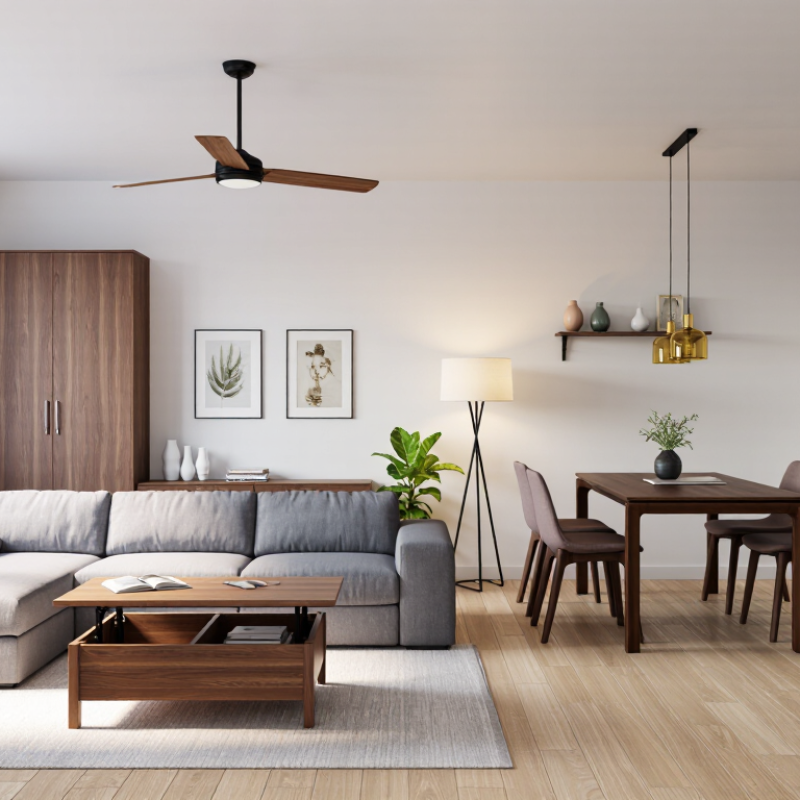
Choosing apartment furniture starts with measurement, not style. Measure each wall, doorway, window, and walking path. Note radiator positions, outlet locations, and natural light. A beautiful sofa can still fail if it blocks a balcony door. Leave at least 70 centimetres for comfortable passage when possible. Check ceiling height before buying tall storage. I once overlooked a narrow lift entrance, and delivery became an expensive lesson.
Tips: Sketch the room on paper, then mark fixed features. Measure twice. Use masking tape to outline a sofa, bed, or dining table on the floor. Live with the outline for one day. This reveals awkward corners and crowded routes better than imagination. Choose furniture with more than one function, such as an ottoman with storage or an extendable table. Keep frequently used items within easy reach. Avoid filling every empty area; empty space supports movement and reduces visual stress.
Consider your daily habits, not an ideal lifestyle. Do you work from home, host guests, or eat beside the window? Select pieces that support those routines. A compact desk may need cable access and task lighting. A bed with drawers can reduce wardrobe pressure, but drawers need clearance. Check weight, stability, materials, and care instructions before purchasing. Small rooms punish poor decisions. My own layout still feels slightly imperfect, because one chair interrupts the walkway. That flaw reminds me to test comfort and circulation before trusting a floor plan.
Before choosing a sofa or dining table, set a realistic furniture budget. Include delivery, assembly, lighting, curtains, and small storage items. These costs often surprise apartment renters. I once spent too much on a beautiful chair and postponed buying a proper bed. It looked stylish, but the decision was poor.
Measure each room, doorway, elevator, and hallway. Then list essential pieces by daily importance. A bed, supportive seating, a dining surface, and practical storage usually deserve priority. Choose comfort and function before decoration. A compact table with hidden storage can serve meals, work, and occasional guests. Leave at least 60 centimetres for comfortable walking paths where possible.
Try a three-part budget. Reserve most of it for essentials, a smaller portion for useful upgrades, and some money for unexpected costs. Keep a written list. It reduces emotional purchases. Second-hand furniture can help, but inspect joints, stains, odors, and structural damage carefully. Cheap is not always economical. I still regret buying a fragile shelf because I ignored its thin backing. Wait before buying decorative pieces. Live in the apartment for a week, notice what feels inconvenient, and adjust the remaining budget accordingly.
Before choosing apartment furniture, measure more than the room’s length and width. Record ceiling height, window positions, heating units, outlets, and the swing of each door. A sofa may fit on paper yet block a closet when its cushions extend outward. Use a tape measure, and write measurements in one consistent unit. I once forgot a low radiator. It mattered.
Check the route from the building entrance to the intended room. Measure elevator doors, hallway turns, stair landings, and apartment doorways, including their clear width with doors open. Compare those figures with the furniture’s packaged dimensions, not only its assembled size. For bulky pieces, confirm whether legs or arms can be removed safely. Then map placement areas with painter’s tape on the floor. Leave practical walking space around beds and dining chairs, and make sure drawers can open fully. Take photos of tight corners; they can reveal awkward angles that a floor plan misses. Measurements can still be imperfect, especially in older apartments with uneven walls, so recheck any close fit before ordering. A little extra clearance helps.
Top 10 Tips on How to Choose Furniture for Apartments?
Choose Scaled, Multifunctional Furniture for Flexible Living
In a small apartment, furniture should earn its floor space. Measure walls, doorways, and walking paths before shopping. I once chose a deep sofa that looked elegant online but blocked a balcony door. That mistake taught me to measure open space, not just room dimensions. Aim for clear routes of at least 30 inches where possible. Low-profile pieces can make a compact room feel calmer.
Choose a dining table with folding leaves or nesting tables for visitors. A storage ottoman can hold blankets, serve as a seat, and support a tray. Look for a bed with drawers, a desk with cable management, and chairs that stack. Multifunctional furniture works best when each function remains easy to use. If opening a sofa bed feels exhausting, it may become expensive clutter. Test hinges, drawer slides, seat height, and weight limits in person. Reliable construction matters more than a clever shape.
Keep visual weight balanced by pairing one larger item with lighter pieces. For example, place a compact sectional opposite a slim-legged table. Use vertical shelving, but secure tall units according to local safety guidance. Leave some empty space. It improves movement and gives future purchases room. I still prefer flexible choices over perfect layouts, because apartment needs change. Recheck measurements after delivery; walls and corners often reveal small surprises. This advice comes from practical room planning, but personal comfort should decide the final arrangement.
| Tip | Furniture Focus | Useful Dimension or Data Point | Apartment-Friendly Recommendation | Practical Selection Check |
|---|---|---|---|---|
| 1 | Measure the Room First | Record wall length, ceiling height, door width, window position, and radiator location. | Create a simple floor plan before shopping. Include fixed features and the direction in which doors and windows open. | Keep at least a few centimeters of tolerance between the furniture dimensions and the available wall or alcove space. |
| 2 | Preserve Walking Space | Aim for approximately 75–90 cm for main walking paths. | Arrange sofas, tables, beds, and storage so that the main route through the apartment remains direct and unobstructed. | Walk through the planned layout while carrying a laundry basket or shopping bag to test everyday movement. |
| 3 | Choose the Right Sofa Scale | Allow roughly 45–50 cm of seat height and about 50–60 cm of seat depth for general comfort. | Select a compact two- or three-seat sofa, apartment-size sectional, or modular seating system instead of an oversized deep sofa. | Confirm that the sofa can pass through the building entrance, lift, hallway, and apartment doorway before ordering. |
| 4 | Use Multifunctional Pieces | Prioritize furniture that performs at least two useful functions. | Consider a storage ottoman, sofa bed, lift-top coffee table, nesting tables, or a dining table that can extend when guests arrive. | Evaluate the frequency of each function; a feature is valuable only if it is convenient enough to use regularly. |
| 5 | Select Flexible Dining Furniture | Plan approximately 60 cm of table edge space per seated person. | Use a drop-leaf, gateleg, round, or extendable table to support daily meals without occupying unnecessary floor area. | Allow enough room to pull out chairs and maintain a comfortable route behind seated diners. |
| 6 | Optimize Vertical Storage | Use wall height while keeping frequently used items within easy reach. | Choose tall bookcases, wardrobes, and cabinets with adjustable shelves to increase capacity without expanding the floor footprint. | Anchor tall furniture securely to the wall and leave clearance for skirting boards, vents, and electrical outlets. |
| 7 | Make the Bedroom Proportional | Keep approximately 60–75 cm of clearance beside the bed where possible. | Use under-bed drawers, a storage headboard, or narrow bedside tables when the bedroom cannot accommodate bulky case goods. | Open wardrobe doors and drawers fully to confirm that they do not block the bed, doorway, or walking route. |
| 8 | Support a Flexible Home Office | A desk depth of about 60 cm supports a monitor, keyboard, and writing area in many compact setups. | Choose a wall-mounted, fold-down, slim-profile, or dining-table-compatible workstation for rooms with multiple uses. | Provide a comfortable chair position, accessible power outlets, and sufficient legroom before finalizing the desk location. |
| 9 | Consider Light and Visual Weight | Use open bases, raised legs, reflective surfaces, and lighter visual forms to make a small room feel less crowded. | Combine closed storage for clutter control with selected open shelving or glass elements to maintain visual openness. | Avoid filling every wall and corner; leave some visible floor and wall area to improve the sense of space. |
| 10 | Plan for Moving and Reconfiguration | Prefer manageable modules, removable legs, and furniture with a practical delivery footprint. | Choose lightweight modular pieces that can be rearranged for entertaining, working, cleaning, or a future move. | Check the packaged dimensions, assembly requirements, maximum load, and whether the furniture can be disassembled safely. |
Tip 1: Compare materials before comparing prices. Solid wood offers durability, while engineered wood reduces weight and cost. For upholstery, tightly woven fabric usually handles daily friction better than loose linen. The U.S. Environmental Protection Agency reports that indoor pollutant levels can be two to five times higher than outdoor levels. Choose low-emission finishes and ventilate new furniture. Materials matter more than glossy photographs.
Tip 2: Test comfort in a realistic position. Sit for ten minutes, not ten seconds. Check seat depth, cushion recovery, back support, and arm height. A sofa that feels luxurious briefly may become tiring during a two-hour film. Style should support the apartment’s scale. Measure doorways, elevators, and walking paths first. The 2024 Harvard Joint Center for Housing Studies reported that 22.4 million renter households were cost-burdened, so multifunctional pieces can protect limited budgets and space. A storage bed or nesting table may be less beautiful, but more useful.
Tip 3: Treat quality claims as questions. Look for reinforced joints, replaceable covers, stable legs, and clear warranty terms. ANSI/BIFMA standards can help when comparing seating strength and safety information. Delivery deserves equal attention. Confirm package dimensions, assembly fees, delivery windows, damage procedures, and return costs. Photograph the carton before opening it. I still underestimate hallway turns sometimes. Delivery details are easy to ignore, and expensive to regret.
Include furniture, delivery, assembly, lighting, curtains, and small storage items. Keep some money for surprises. I once forgot curtains.
Prioritize a bed, supportive seating, a dining surface, and practical storage. Comfort matters every day. Decorative pieces can wait.
Measure rooms, doorways, hallways, elevators, and walking routes. Check whether a sofa can pass through tight turns. I have misjudged those.
Choose pieces with useful extra functions. A storage ottoman can hold blankets, provide seating, and support a serving tray.
Test hinges, drawers, seat height, and weight limits. A sofa bed should open easily. Otherwise, you may stop using it.
Leave clear walking paths where possible, and avoid blocking doors. Pair a larger piece with lighter furniture. Empty space helps.
Inspect joints, stains, odors, and structural damage. A low price can hide repairs. Thin backing once fooled me.
Check stable legs, reinforced joints, replaceable covers, and warranty terms. Confirm delivery dimensions, fees, timing, and return costs. Photograph the carton before opening it.
Choosing the right furniture can make an apartment feel comfortable, organized, and spacious. This guide to how to choose furniture for apartments begins with assessing the available space, room layout, lifestyle, and practical needs. Set a realistic budget before shopping, and prioritize essential pieces that support daily activities. Carefully measure each room, doorway, hallway, elevator, and intended placement area to avoid delivery and fitting problems.
For greater flexibility, select furniture with suitable proportions and multifunctional features, such as storage beds, extendable tables, or compact seating. When comparing options, consider material durability, comfort, appearance, construction quality, maintenance requirements, and delivery arrangements rather than focusing only on price. A thoughtful balance of size, function, style, and long-term value will help create an apartment that feels inviting without becoming crowded. Planning each purchase carefully also makes it easier to adapt the space as your needs change.

Ibrixa Home